Latest posts
-
Family Care Meeting Template: How to Coordinate Care Without the Conflict

A practical family care-meeting template for siblings and relatives to divide responsibilities, reduce conflict, honor the older adult’s wishes, and stay coordinated.
-
A Room-by-Room Home Safety Checklist for Families of Older Adults

A room-by-room home safety checklist to help families reduce common hazards while preserving an older adult’s comfort, dignity, and independence.
-
10 Ways Families Can Communicate Better With a Loved One Living With Dementia

Ten practical ways families can communicate with a loved one living with dementia while reducing conflict, preserving dignity, and supporting connection.
-
Family Caregiver Burnout: When It Is Time to Ask for Respite
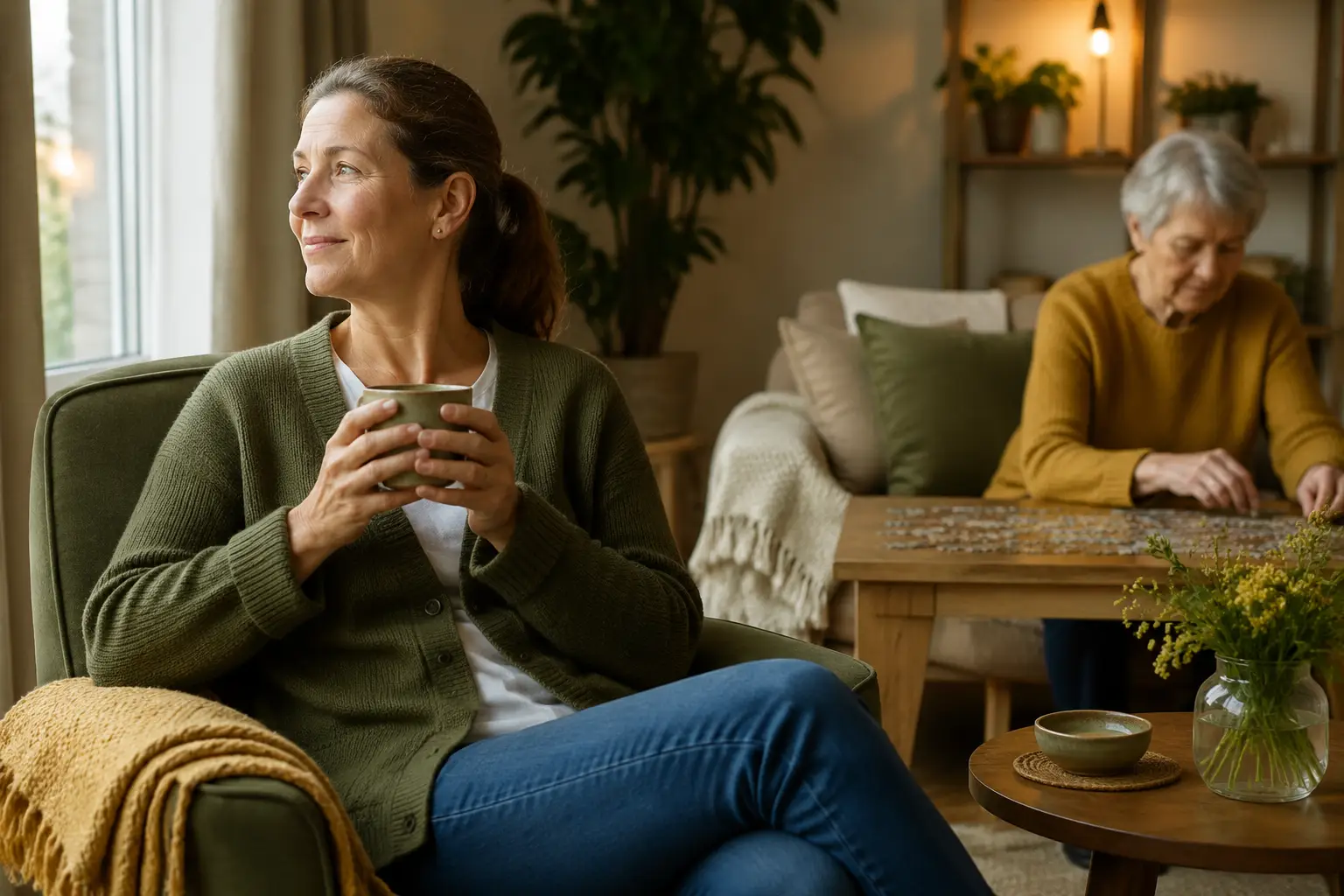
Learn the common signs of family caregiver burnout, why planned respite matters, and how to build a healthier support plan before exhaustion becomes a crisis.
-
How to Choose a Home Care Provider: 12 Questions Families Should Ask

Use these 12 practical questions to compare home care providers, understand caregiver screening and communication, and choose support that fits your family.
-
Hospital-to-Home Checklist: Helping an Older Adult Transition Safely

A practical hospital-to-home checklist for families helping an older adult transition safely, preserve independence, and organize support after discharge.
-
7 Signs Your Loved One May Benefit From Help at Home

Many families wonder whether the changes they notice are part of normal aging or signs that an older loved one could use more support. One difficult day does not tell the whole story. A pattern of missed routines, safety concerns, isolation, or caregiver strain deserves a calm conversation. The goal is not to take over.…
-
How to Talk With a Parent About Accepting Help at Home

Talking about help at home can feel personal. An older parent may hear “you need help” as “you are losing control,” while adult children may worry that staying quiet could allow a preventable crisis. A better conversation begins with respect, specific observations, and the parent’s own goals. Begin with one shared goal: helping your parent…